


Life in Kyoto
- Life in Kyoto
- Guide & Map
- Seasonal Events
Life in Kyoto: Where Tradition, Innovation, and Student Life Meet
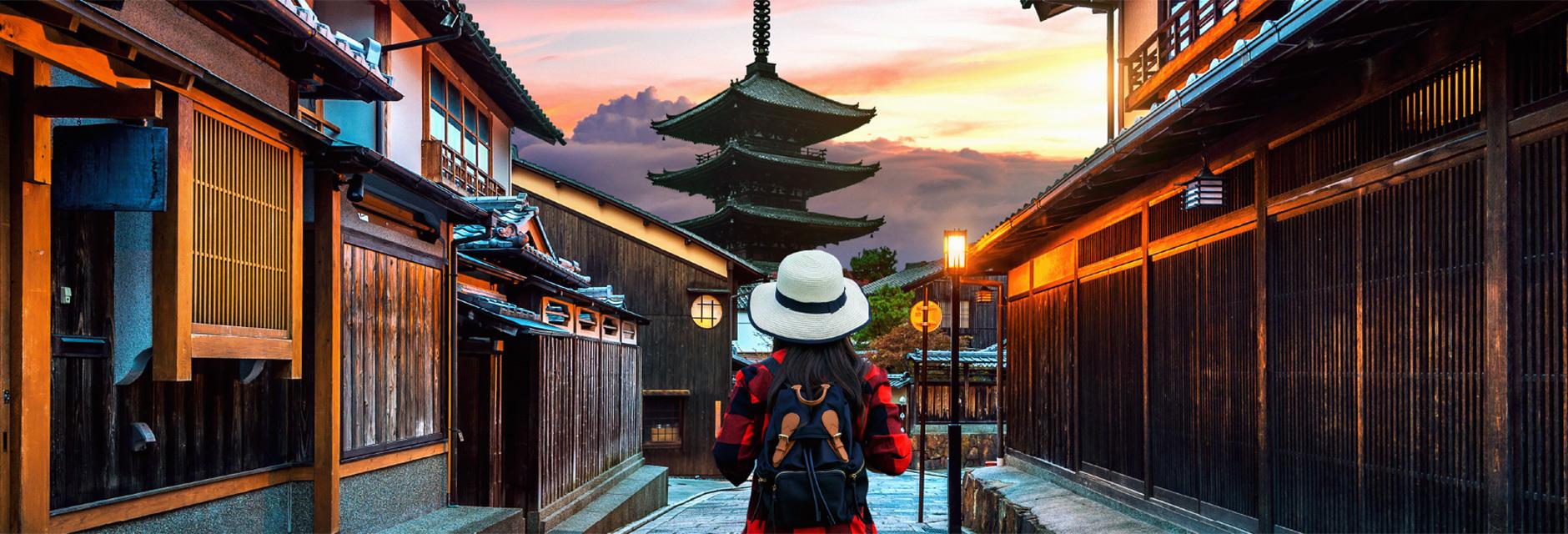
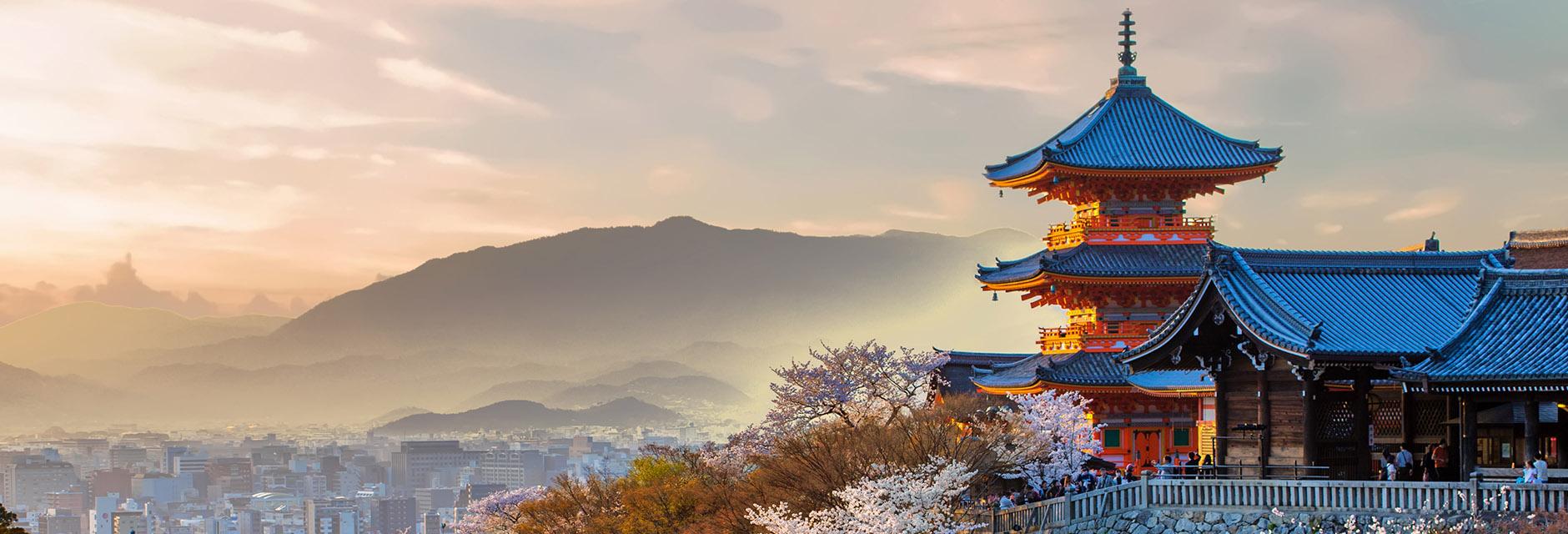
Open any travel guide to Japan, and you will likely encounter descriptions of the country as a place where deep-rooted traditions coexist with advanced technology. No city embodies this balance more clearly than Kyoto. Unlike the ultra-modern metropolis of Tokyo or the vibrant commercial energy of Osaka, Kyoto offers a distinctive harmony between tradition and modern life.
This unique character has earned Kyoto global recognition, including accolades such as “Best City in the World” from Travel + Leisure. Kyoto Prefecture consistently ranks at or near the top of annual surveys measuring Japan’s most attractive prefectures, often surpassing major cities such as Tokyo and Osaka. These distinctions reflect Kyoto’s enduring appeal as a city of culture, quality of life, and intellectual depth.
Studying in Kyoto: An Academic City with Global Reach
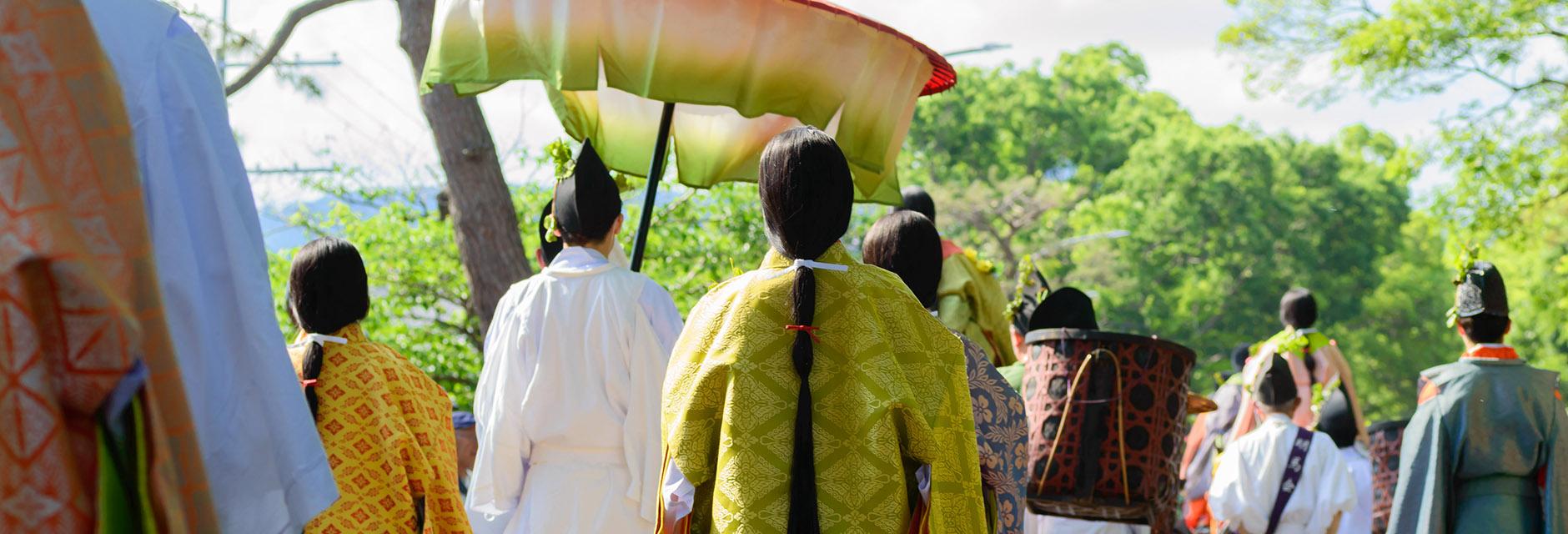
Kyoto served as the capital of Japan for more than a thousand years, and its long history as the nation’s political and cultural center continues to shape the city today. Revered as Japan’s cultural heart, Kyoto attracts admiration not only from Japanese citizens but also from people around the world. Beyond its cultural heritage, Kyoto is also a city of knowledge and academic excellence.
The city is home to more than 40 universities, including Kyoto University of Advanced Science (KUAS). Over a dozen Nobel Prize laureates are associated with Kyoto’s academic community, reflecting the city’s strong research traditions. Remarkably, one out of every ten residents in Kyoto is a university student—the highest student-to-population ratio in Japan. Among them are more than 9,000 international students, creating a vibrant environment of cross-cultural exchange and a well-established support network for students from overseas.
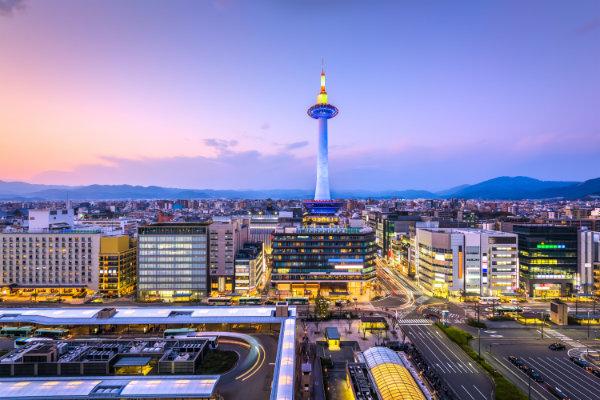
Kyoto is also a center of innovation and industry, driven by a pioneering spirit that has shaped the nation for more than a thousand years. As Japan’s former capital, Kyoto has long been a place where new ideas, technologies, and industries emerged—an ethos of innovation that continues to this day. The city hosts the headquarters of numerous globally recognized companies, including major video game developers, leading electronics and ceramics manufacturers, electric motor producers, renowned animation studios, and automotive-related firms.
This enduring culture of innovation, combined with a strong academic and industrial ecosystem, offers students valuable exposure to real-world applications of academic learning. For international students envisioning a global future, Kyoto provides an exceptional starting point—one where historical depth, technological advancement, and career opportunities come together to inspire the next generation of global leaders.
Living in Kyoto: Comfortable, Affordable, and Student-Friendly
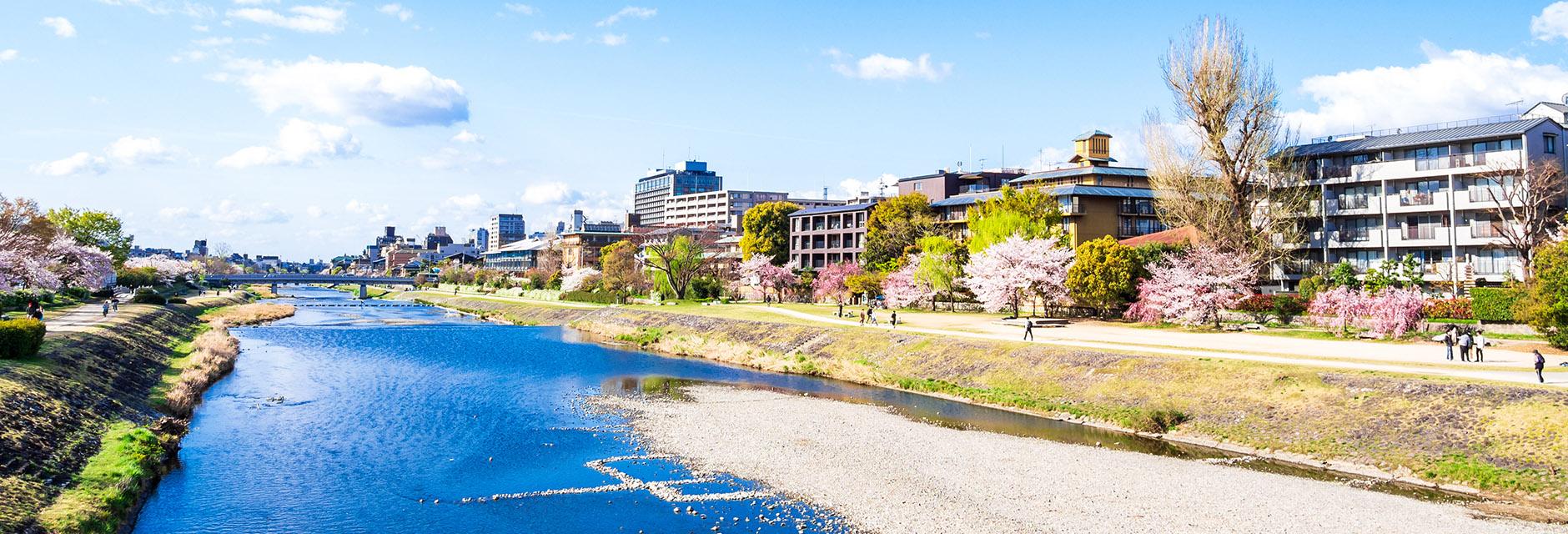
Kyoto is an ideal city for student life, offering a rare balance between urban convenience and a rich natural environment. Surrounded by mountains and abundant greenery, the city has long valued nature and the beauty of seasonal change—an outlook deeply rooted in everyday life. Parks, rivers, and green spaces are easily accessible, allowing students to stay connected to nature even while living in an urban setting.
Cycling is one of the most common and popular ways to get around Kyoto. The city’s grid-based layout and relatively flat terrain make it easy to navigate by bicycle, providing an affordable and environmentally friendly mode of transportation. In addition, Kyoto has a well-developed public transportation network, including trains, subways, trams, and buses. From Kyoto Station, students can easily reach Osaka, Nara, Kobe, or Kansai International Airport on a single direct train.
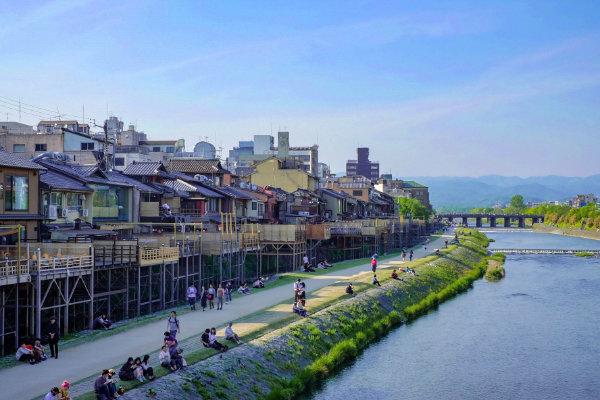
Kyoto’s compact city layout also makes daily life highly convenient. Shopping districts, supermarkets, daily necessities, and entertainment areas are all within easy reach. Students can enjoy museums, art galleries, theaters, and historic cultural landmarks that are part of everyday life in Kyoto throughout the city, offering countless opportunities for inspiration beyond the classroom.
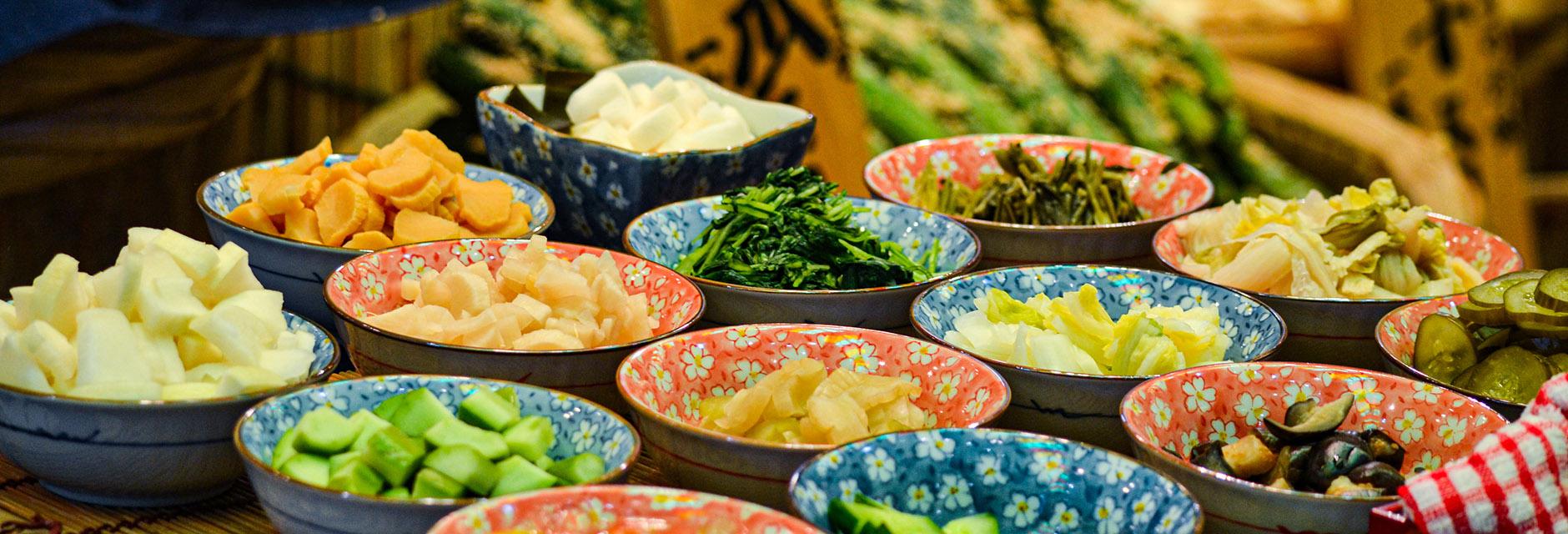
The city’s close connection to nature is further reflected in its food culture and agricultural traditions. The surrounding region supports active farming communities, producing a wide variety of local agricultural specialties that have developed in harmony with Kyoto’s climate and seasons. Alongside a diverse range of international cuisine—including vegan and halal options—these regional food traditions provide valuable perspectives for students interested in environmental studies, sustainability, and food systems. For those who prefer cooking at home, well-stocked supermarkets and local markets throughout the city make everyday life both comfortable and enriching.
Taken together, Kyoto offers a well-balanced living environment that is ideal for students. The city combines comfort and convenience with affordability, allowing students to enjoy a high quality of life at a lower cost than many other major cities. At the same time, Kyoto is known for being quiet, peaceful, and safe—making it an especially welcoming place for students living abroad.