Life in Kyoto
- Life in Kyoto
- Guide & Map
- Seasonal Events
Experience Kyoto Through the Four Seasons
Kyoto is known for its four clearly defined seasons, each offering its own atmosphere, scenery, and cultural events. This seasonal diversity is one of the reasons visitors from around the world are drawn to Kyoto throughout the year. For those who live and study here, however, the true luxury lies in experiencing these seasonal changes as part of everyday life—without the need to travel far from the city.
Spring (March–May)
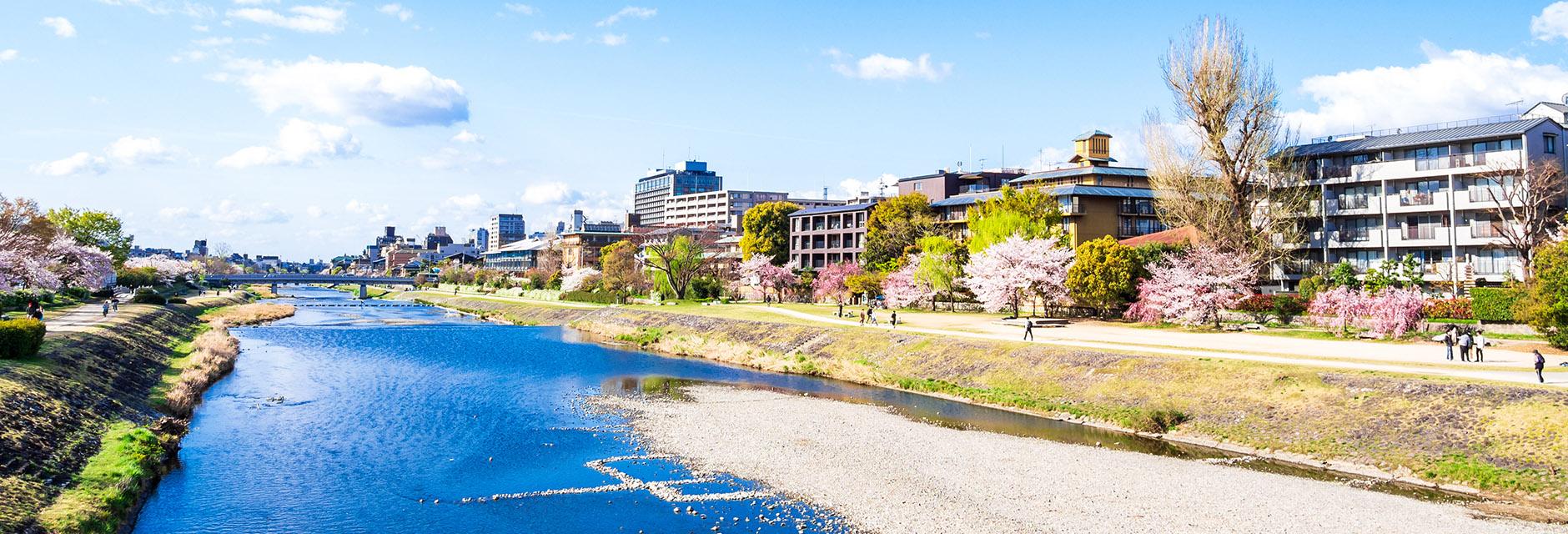
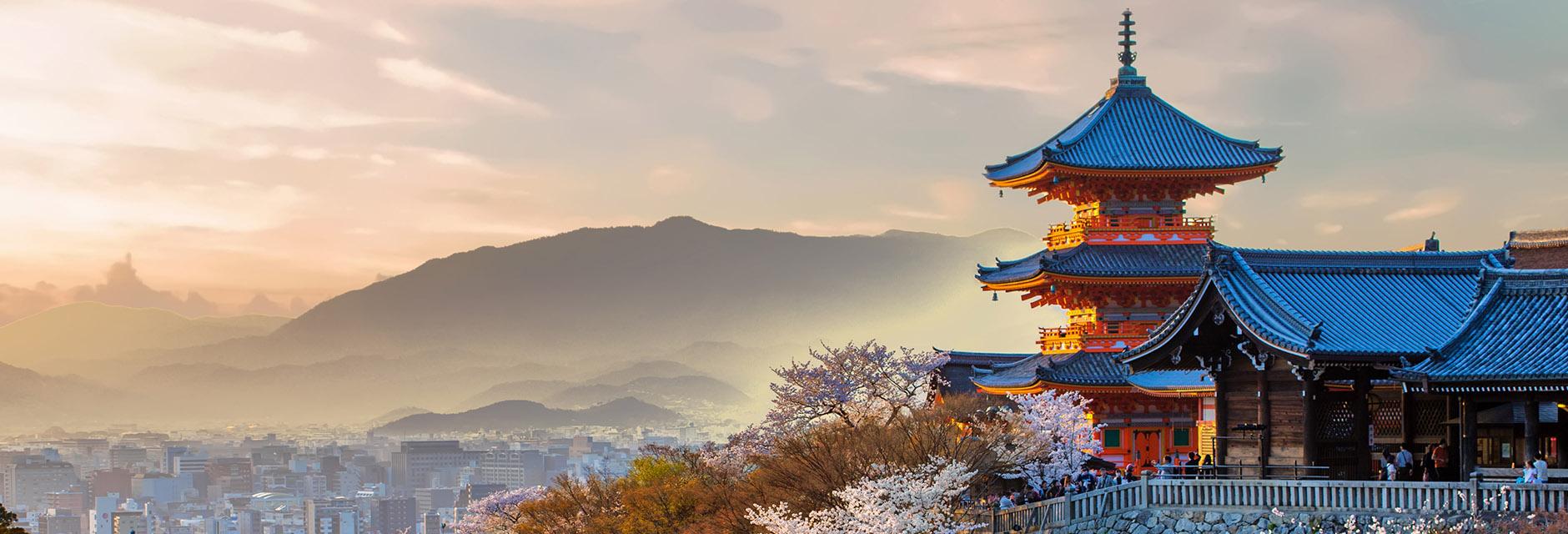
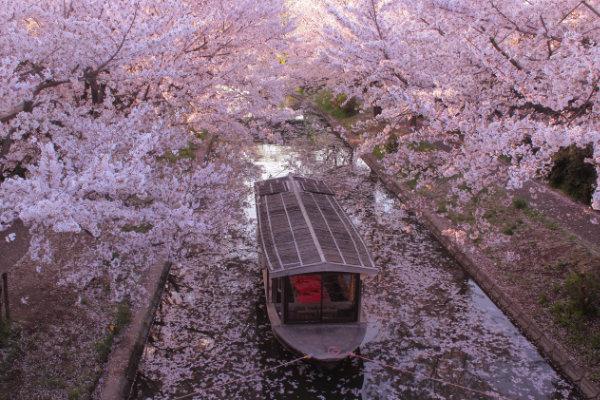
Spring in Kyoto begins gently, with plum blossoms blooming from late February to early March at sites such as Kitano Tenmangu Shrine, the Kyoto Imperial Palace, and Nijo Castle. Soon after, cherry blossoms transform the city, lining rivers, temples, and streets. Popular spots for cherry blossom viewing include Maruyama Park, Arashiyama, and Heian Shrine.
During spring, average temperatures gradually rise from around 10°C to 20°C, creating a mild and comfortable climate. Rainfall is moderate, and daylight hours increase steadily. Light jackets or sweaters are usually sufficient, and layered clothing is recommended to adjust to changing temperatures throughout the day.
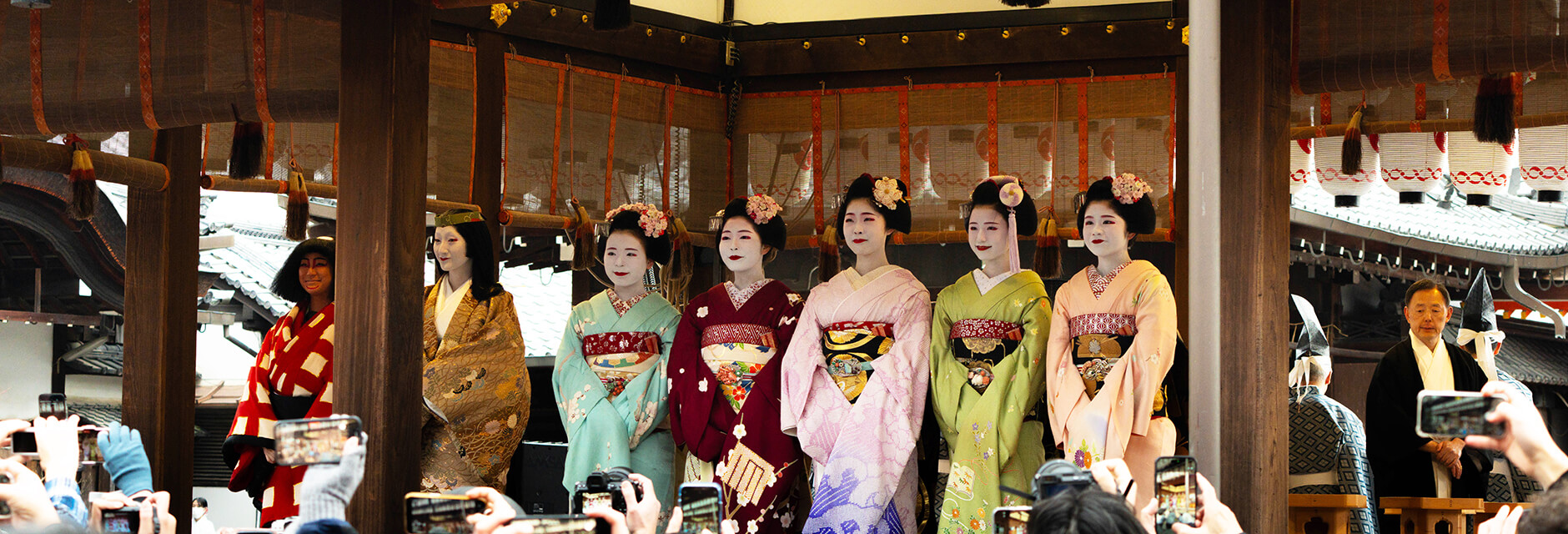
Cultural events such as Kamogawa Odori, a traditional geisha dance performance, and Aoi Matsuri, one of Kyoto’s three major festivals held in May, further enrich the season.
Surrounded by mountains and rivers, Kyoto also offers easy access to hiking, riverside walks, and other outdoor activities during spring.
Summer (June–August)
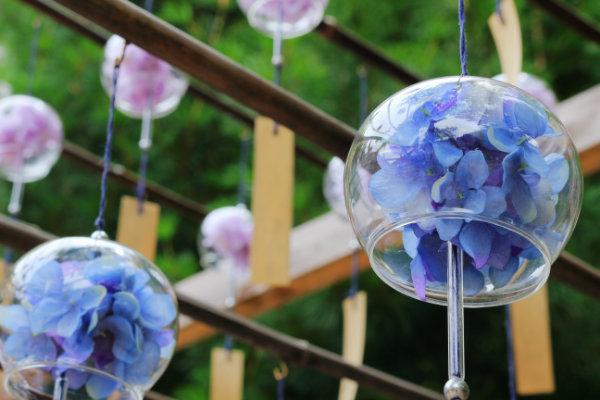
Summer in Kyoto begins after the rainy season in June. Daytime temperatures often reach 30°C or higher, and humidity can be high, especially in July. Lightweight, breathable clothing is essential, and hats or umbrellas are commonly used for sun protection.
Rainfall is highest in early summer, while July and August bring longer sunshine hours. Despite the heat, the city adapts in distinctive ways, including outdoor dining along rivers where cooler evening breezes can be enjoyed.
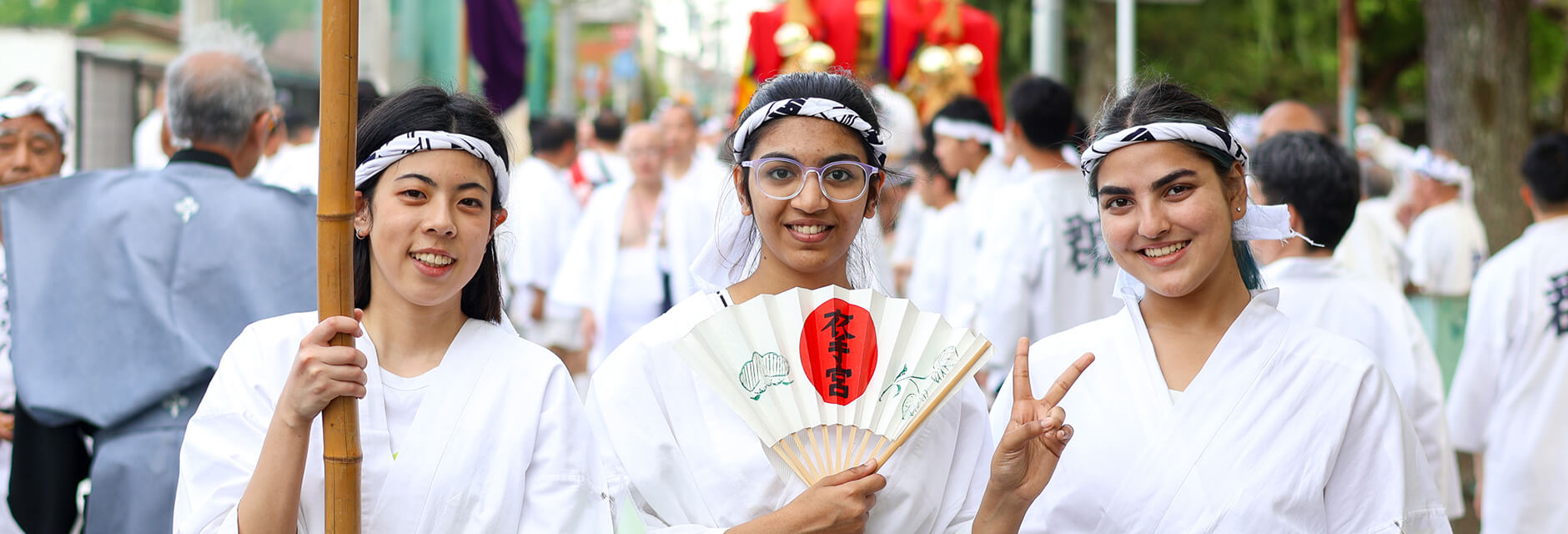
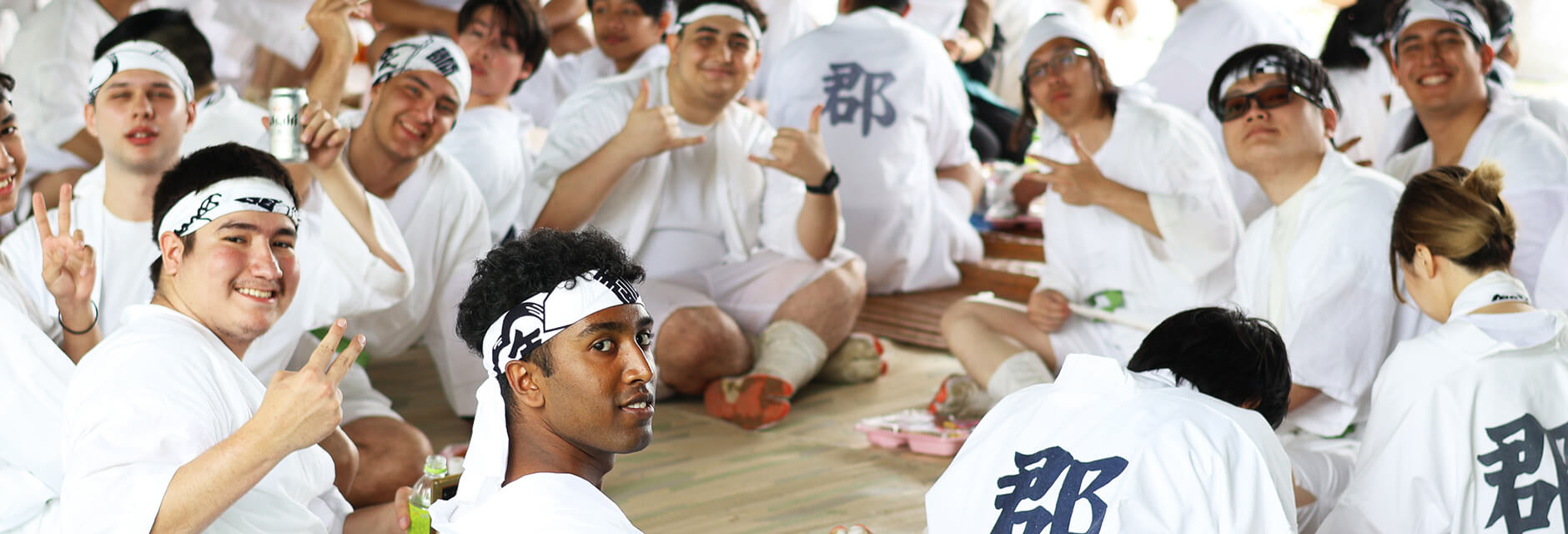
Kyoto’s summer is also defined by its vibrant festivals. Gion Matsuri, held throughout July, is one of Japan’s largest and most famous festivals, drawing visitors from across the country. In August, the Daimonji Gozan Okuribi bonfire event lights up the surrounding mountains, marking a memorable seasonal tradition visible from many parts of the city.
Fall (September–November)
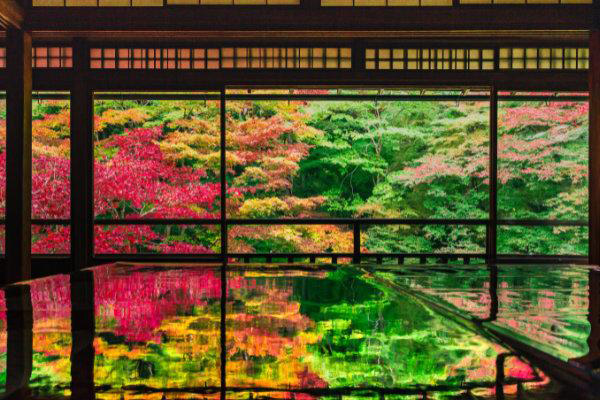
Autumn in Kyoto is known for its crisp air, clear skies, and spectacular foliage. Temperatures gradually cool from around 25°C in September to about 15°C in November, with lower humidity and pleasant daytime conditions. Light jackets and long-sleeved clothing are typically comfortable, especially in the evenings.
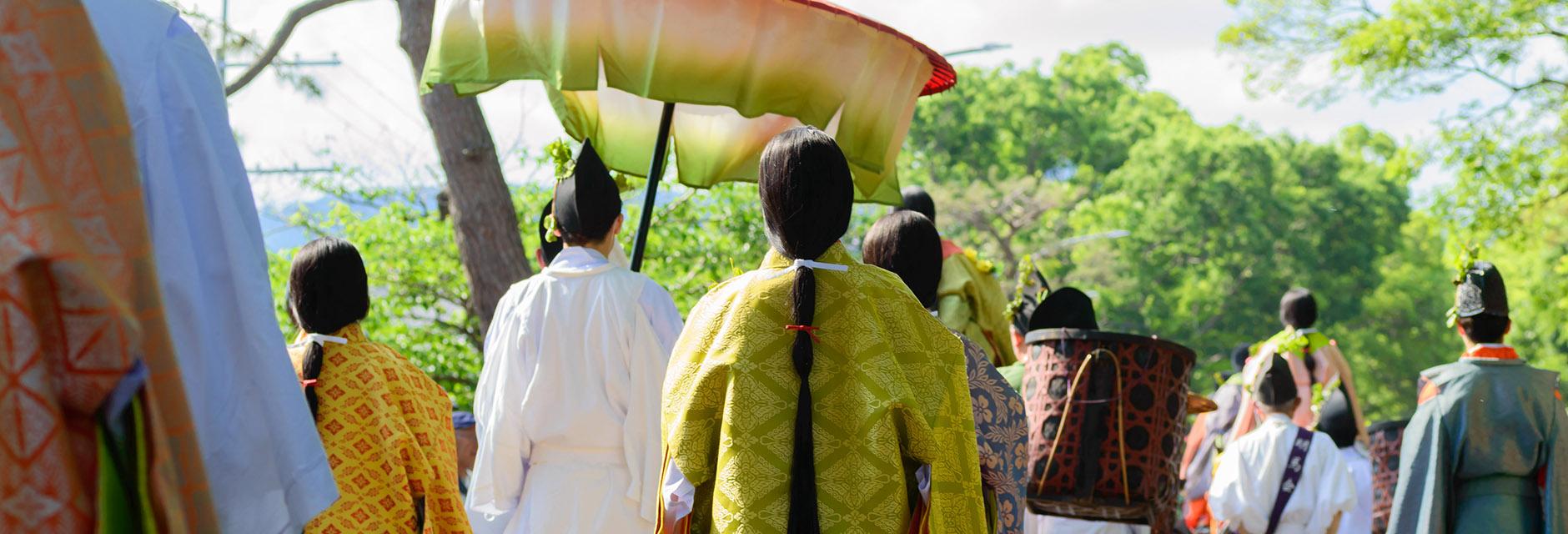
Seasonal events begin with Tsukimi, or moon viewing, in early autumn. In October, Jidai Matsuri (Festival of the Ages) features a grand historical procession representing different periods of Japanese history, stretching from the Kyoto Imperial Palace to Heian Shrine.
Kyoto is especially celebrated for its autumn leaves, attracting visitors in November to renowned locations such as Kiyomizu-dera, Tofuku-ji, Eikando, and Rurikoin Temple, where vibrant colors frame historic architecture in a striking display.
Winter (December–February)
Winters in Kyoto are relatively cold, with average temperatures ranging from 0°C to 8°C. Snowfall is occasional, but when it occurs, snow-covered temples and historic streets create a quiet and atmospheric scene. Warm coats, scarves, and layered clothing are essential during this season.
Throughout winter, various parts of the city host seasonal illuminations that light up temples, streets, and natural landscapes, adding warmth and color to the colder months. From December 31 to January 3, people across Japan take part in Hatsumode, the first shrine or temple visit of the New Year. During this period, shrines, temples, and nearby streets are filled with food stalls and traditional New Year customs, creating a lively and welcoming atmosphere.